State of Home Equity: Northeast Market Briefing
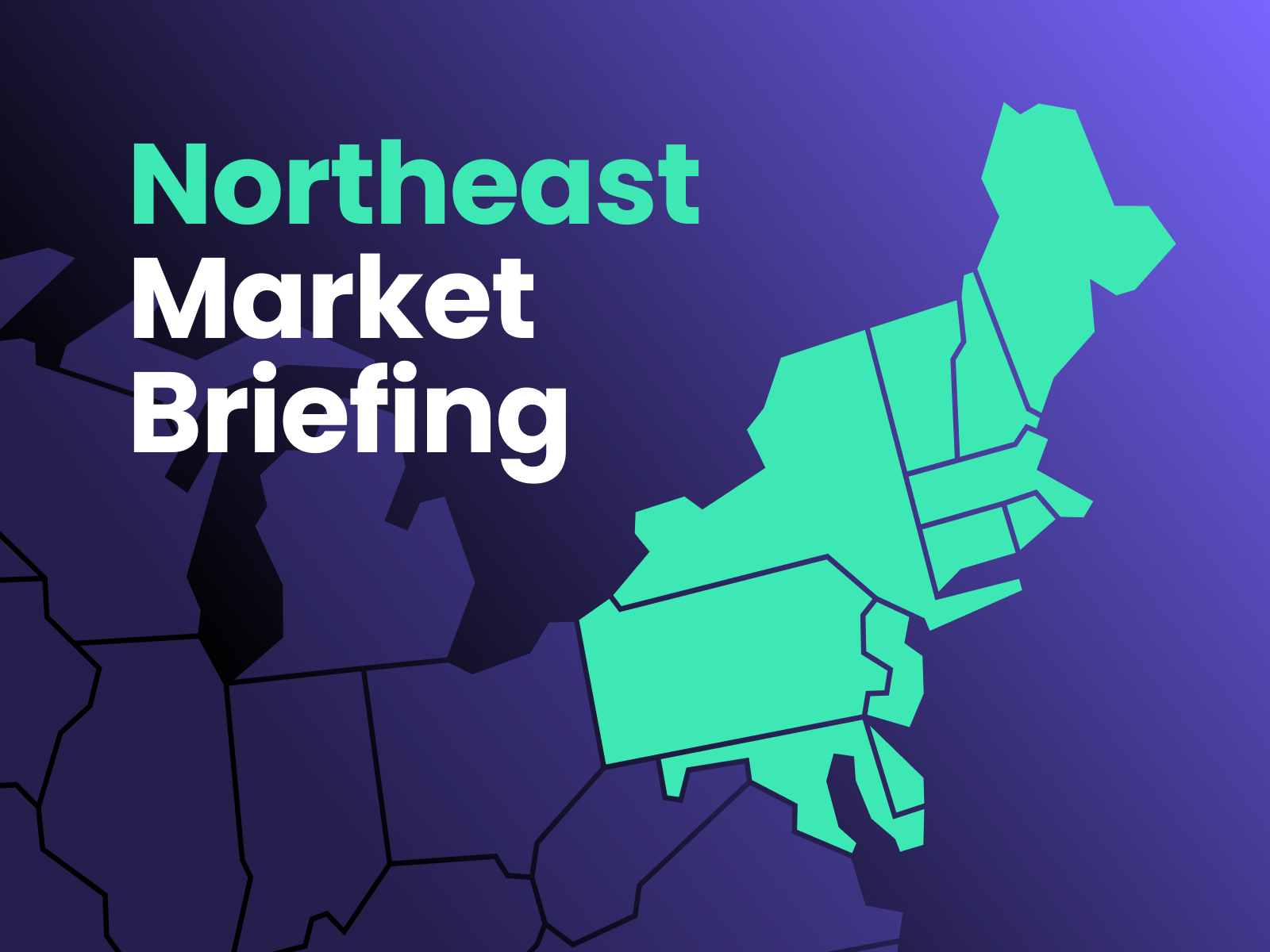
Our Market Briefing for the Northeast includes home equity growth strategies for community lenders based on regional data.
.png)
.png)
The Northeast is a strong home equity market, but the opportunity looks different from state to state.
In this 30-minute briefing, we break down the homeowner and market data shaping home equity growth across the region, including:
- Where market potential, borrower quality, and competitive pressure are strongest
- How community lenders can make home equity more relevant to borrowers
- Why competitive strategy should vary by market
- Three distinct growth models emerging across Northeast states: Scale, Premium, and Relationship Markets
The goal is help community banks and credit unions better understand the opportunity in their own market—and build their home equity strategy around it.
Watch the Northeast Market Briefing →
Home equity opportunity in the NE is strong, but it isn't uniform.
At a regional level, the Northeast stands out for strong home equity market potential and borrower quality. But the opportunity looks very different once you get beneath the regional averages.
Some states are defined by scale, with large homeowner populations and significant competitive activity. Others stand out because of especially strong borrower fundamentals and meaningful equity. And in smaller markets, community lenders may be well positioned to win through the relationships and local knowledge they already have.
That is where market-informed lending comes in: understanding what kind of opportunity exists in your market and building your strategy around it.
Scale Markets
Pennsylvania, New York, New Jersey, and Maryland offer significant homeowner populations and meaningful home equity opportunity—but they also face much higher competition.
For lenders in these markets, growth depends on creating enough visibility to generate demand while building an efficient lending experience that can move borrowers from interest to funding without unnecessary friction.
Premium Markets
Massachusetts, Connecticut, and New Hampshire combine particularly strong borrower fundamentals with meaningful homeowner equity.
The opportunity is to get highly qualified homeowners to consider home equity in the first place—and then make the experience smooth enough to keep them engaged through conversion.
Relationship Markets
Vermont, Delaware, Rhode Island, and Maine may have smaller addressable homeowner populations, but smaller does not mean weaker.
These states still show strengths across homeownership, equity cushion, appreciation rates, and borrower quality. For community lenders, the opportunity may be to capture more of the strong home equity potential already within the relationships and communities they serve.
The goal is the same in every market, but the path to growth is different. Market-informed lending means recognizing those differences—and aligning your marketing, borrower experience, and lending strategy to the opportunity in front of you.
Want to explore the data for your own state?